Finishes
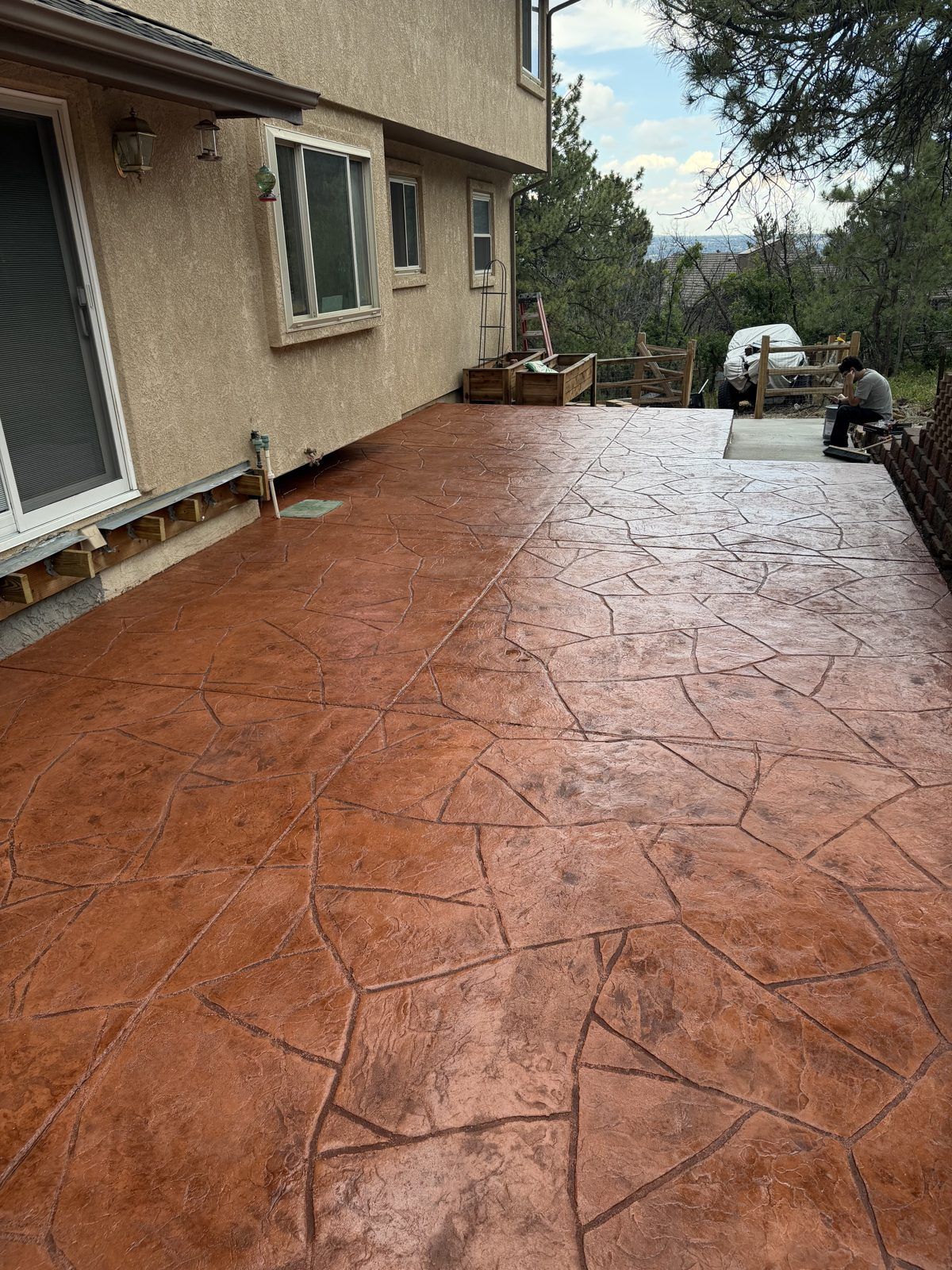
Stamped vs stained concrete in Colorado Springs.
Texture or color? How stamped and stained concrete handle Colorado Springs sun, snow and freeze-thaw, plus sealing, traction and repairs.
Read the article →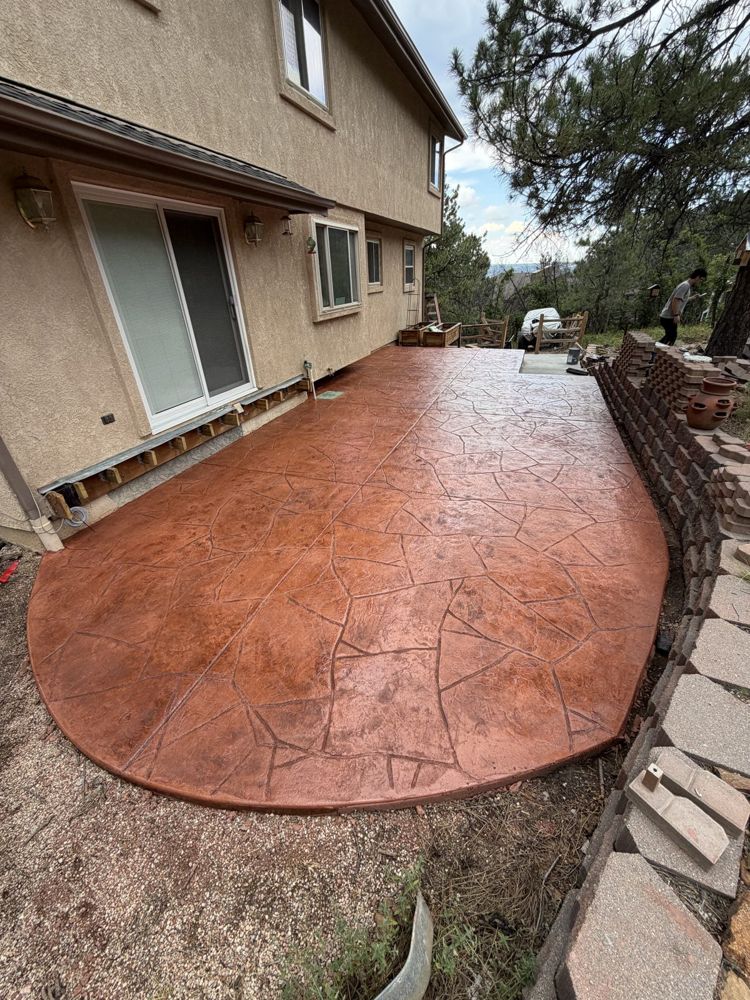
Maintenance
Colorado Springs averages its first freeze in early October. Here is how to pick a sealer, time it right, and keep deicers from eating your slab.
By CO Springs Concrete · Updated September 2026 · 9 min read
Yes, and in Colorado Springs the window is short. The best time to seal concrete before winter is a dry stretch in late summer or early fall, before nights turn cold. The National Weather Service lists the city's average first fall freeze as October 2. Use a breathable penetrating sealer on plain concrete, keep ice melt off new slabs the first winter, and skip ammonium and magnesium deicers.
Concrete is porous. When a soaked slab freezes, the water in its pores expands as it turns to ice and stresses the surface. Repeat that all winter and the surface can flake off. That is called scaling.
The National Ready Mixed Concrete Association (NRMCA) says deicing chemicals make scaling worse, because they keep the surface wetter and add freeze-thaw cycles. Air-entrained concrete helps: millions of tiny air bubbles give the ice room to expand. We use an air-entrained exterior mix on every job for that reason. A sealer adds a second layer of defense by keeping water and salty brine out of the pores.
Timing matters. The National Weather Service office in Pueblo lists October 2 as the mean date of Colorado Springs' first fall freeze, and its records show one as early as September 1, 1911. NRMCA calls late summer, after a few dry days, an ideal time to apply sealer.
New concrete needs time before sealer and before salt. Guidance varies by product, so the label on the can governs.
NRMCA also cautions against pouring exterior concrete late in the fall if it will freeze while still saturated. If your slab is new, follow the cure instructions and dates from your contractor; we give them to every customer. For the first days after a pour, see what happens on pour day.
Sealers fall into two broad groups.
Silanes and siloxanes soak in and coat the pore walls so they repel water. Water and the salt it carries stay out, but vapor can still escape, so the slab breathes. Silicates work by blocking pores. These sealers leave little or no surface film, so the look barely changes.
For exterior slabs that see deicers, NRMCA recommends a breathable silane or siloxane sealer. Research summarized in the South Dakota DOT guide found siloxanes especially effective at slowing deicer penetration, with silanes also helping. An Oregon DOT study recommends penetrating sealers to protect both new and existing concrete.
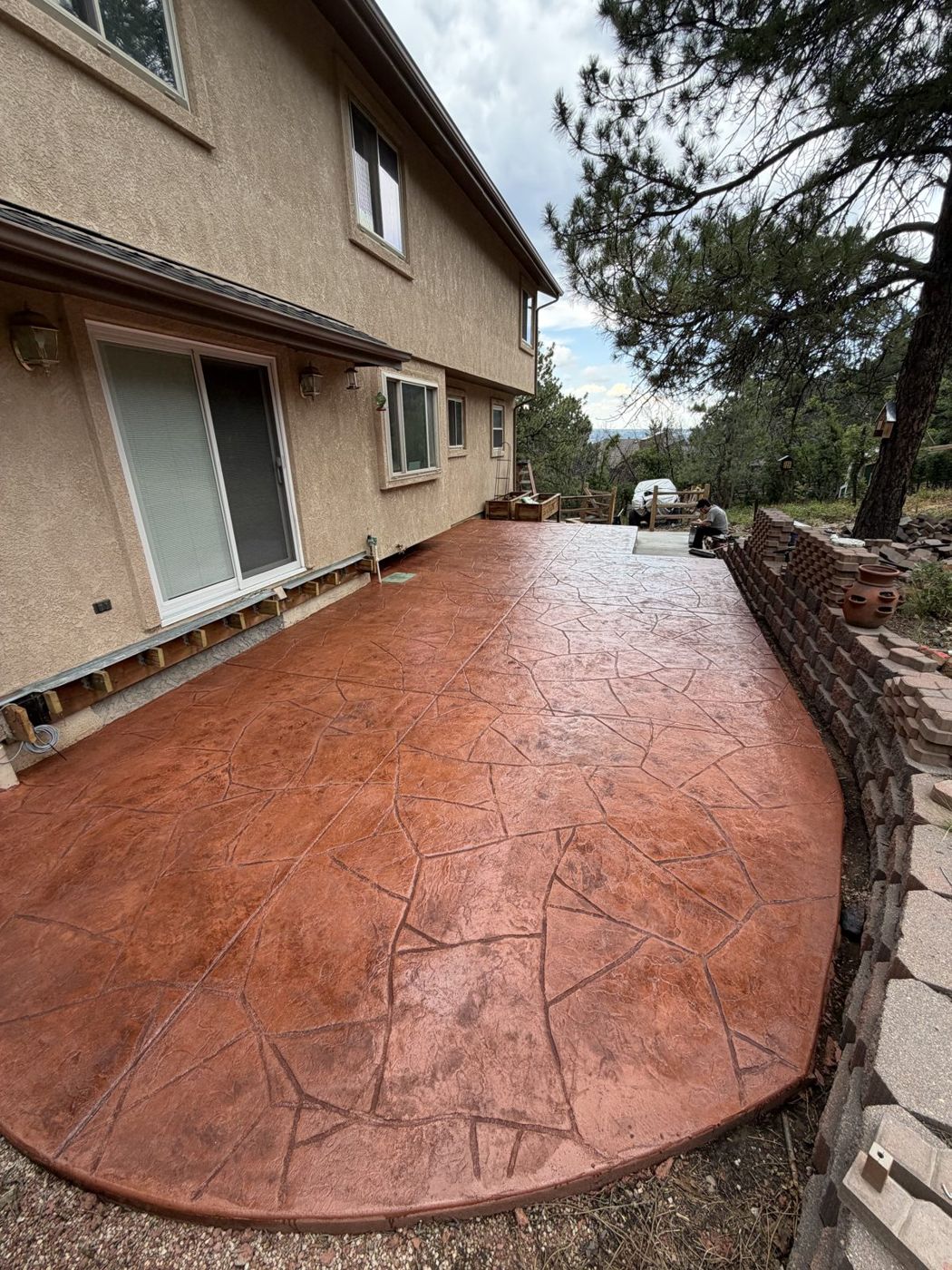
Acrylics, urethanes and epoxies form a coating on top. They deepen color and add sheen. The American Society of Concrete Contractors (ASCC) decorative sealer guide notes that penetrating sealers are typically not used on stamped concrete, because they do not protect the antique release color. If you have a stamped concrete patio, it likely has a film-forming sealer. For choosing a finish, see stamped vs stained concrete.
The trade-off is traction and wear. An Iowa DOT-sponsored report notes surface coatings can reduce skid resistance and wear off under traffic. W. R. Meadows warns its acrylic DECRA-SEAL may become slippery and recommends adding its grit additive. ASCC says to use an anti-skid additive made for your sealer, not sand, and that even a gritty sealed surface is slippery under ice. It also recommends breathable, non-yellowing sealers for decorative work.
| Sealer type | How it works | Usual fit | Reseal guidance in the sources |
|---|---|---|---|
| Silane or siloxane | Soaks in, repels water, lets vapor out | Plain driveways, walks and patios | May need it after 3 to 5 years (South Dakota DOT guide); one maker claims up to 10 years |
| Silicate | Soaks in, blocks pores | Check the label for exterior use | Per product label |
| Acrylic | Thin surface film, adds color and sheen | Stamped, stained and colored concrete | 2 to 3 years in sunny, busy areas; 4 to 5 in lighter use (ASCC) |
| Polyurethane or epoxy | Thicker barrier coating | Check the label for outdoor, freeze-thaw use | Per product label |
There is no single number. ASCC's rule of thumb for acrylic-sealed decorative concrete is about every 2 to 3 years in high-traffic, sun-exposed areas and 4 to 5 years in lighter use.
W. R. Meadows lists the signs an acrylic is worn: lost gloss, surface damage, and water soaking in instead of beading. ASCC adds faded or blotchy color, especially when wet. It names sunlight and deicing salts as causes of breakdown, so a sunny, salted driveway may need it sooner.
Product data sheets set the limits:
The concrete must also be dry. ASCC warns a slab can hold water after washing even when it looks dry, and sealer on wet concrete can turn white. With the average first freeze in early October, plan your window for September.
No ice melt is harmless.
Do not use them. NRMCA says they are chemically aggressive and destroy concrete surfaces. Read the ingredient list before you buy.
NRMCA puts magnesium-based salts on the same do-not-use list. In lab work summarized by the South Dakota DOT, concentrated magnesium chloride chemically attacked cement paste, causing expansion, cracking and strength loss. An Oregon DOT study found bridge decks exposed to it lost significant strength, and that the damage often does not show on the surface.
You may not be the one putting it down. The City of Colorado Springs uses liquid magnesium chloride on main streets before and after snow. NRMCA notes road salts get tracked onto driveways by cars, and advises hosing off those deposits when conditions permit.
NRMCA considers calcium chloride and sodium chloride (rock salt) acceptable for concrete in moderate amounts. The DOT research adds a caution: concentrated calcium chloride caused chemical attack similar to magnesium chloride, while sodium chloride brine had minimal effect on the paste but is more corrosive to steel. A 2001 Colorado DOT literature review concluded every deicer involves trade-offs. Whatever you use, use less. Lower concentrations caused less damage.
Michigan State University's grounds team advises removing snow before it gets packed down or refreezes. Clean sand adds grip. Watch where meltwater goes: NRMCA says poor drainage that lets salt solution sit on the slab raises the risk of scaling. Pile snow where it drains away, not where it melts across the driveway and refreezes.
A plain broom-finish driveway, walk or patio with a penetrating sealer is a reasonable DIY job. The main risks are sealing damp concrete or sealing outside the label's weather limits.
Stamped and colored concrete is less forgiving. Film-forming sealers can bubble, peel or turn white when applied too thick, on damp concrete, or in hot sun. ASCC notes whitening from a heavy coat may only come out by grinding or blasting, and its guide says resealing is best done by a qualified contractor.
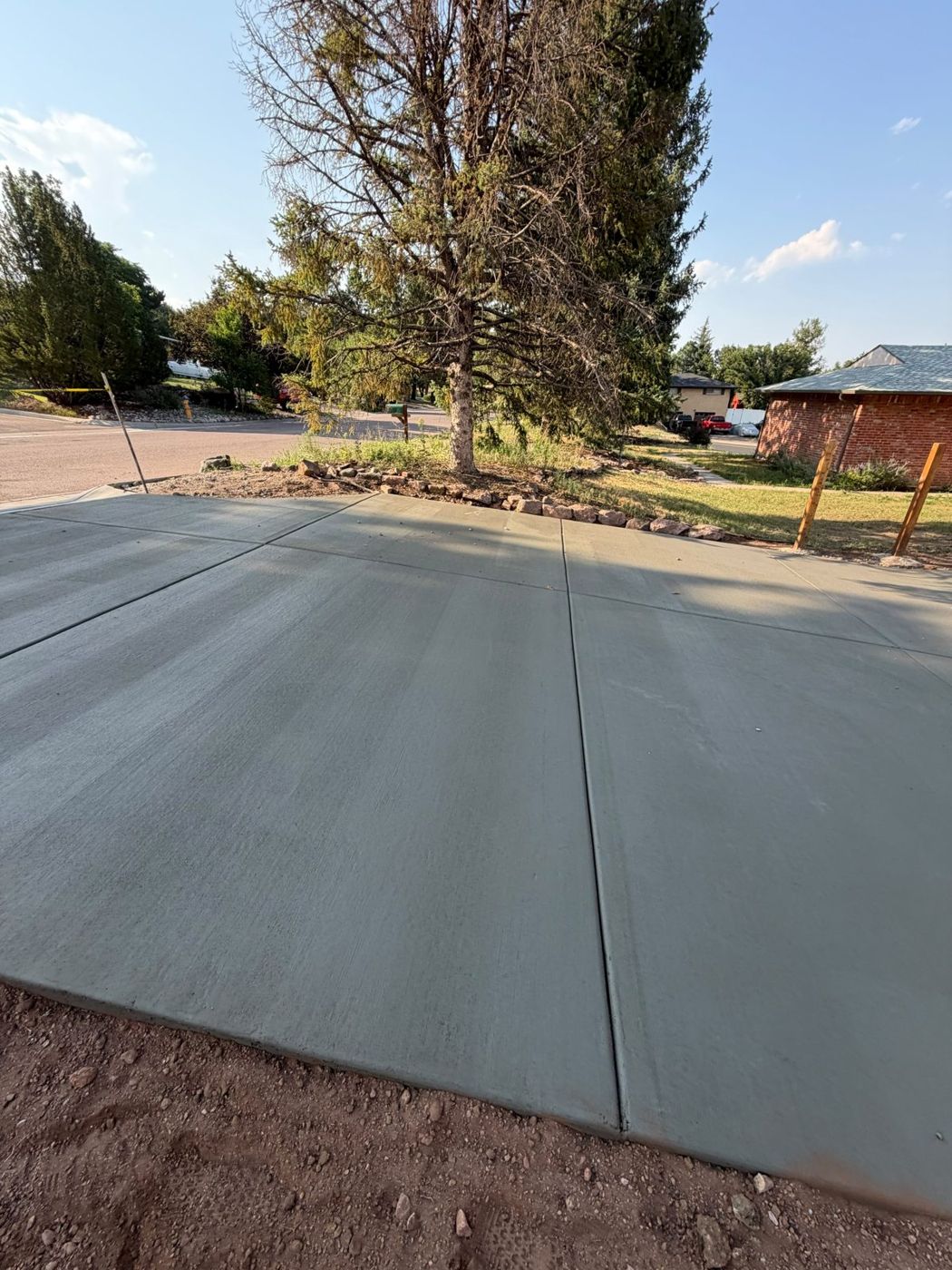
If your slab is already flaking, heaving or cracked through, sealer will not bring it back, and it may be time to talk about replacement. We pour concrete driveways and stamped patios on an excavated, compacted base with saw-cut control joints. Every job starts with a free on-site estimate and a clear written quote.
Yes, if the slab is old enough and the weather cooperates. A sealer keeps water and deicer brine out of the pores, which reduces the freeze-thaw flaking called scaling. NRMCA recommends a breathable silane or siloxane sealer for exterior slabs and calls late summer, after a few dry days, an ideal time to apply it.
Check the product label. Many data sheets set a minimum of 40°F, and some water-based sealers need 45°F and rising. Some also say not to apply if temperatures will drop below 40°F within a few hours. The concrete must be dry, and most labels require several rain-free hours after application.
NRMCA advises avoiding deicing chemicals during new concrete's first winter and using clean sand for traction instead. A South Dakota DOT guide for highway concrete calls for at least a 30-day drying period before deicers. After the first winter, use deicers in moderate amounts and avoid ammonium nitrate, ammonium sulfate and magnesium-based products.
The American Society of Concrete Contractors' decorative sealer guide suggests resealing acrylic-sealed surfaces about every 2 to 3 years in high-traffic, sun-exposed areas, and every 4 to 5 years in lighter use. Signs it is due include faded or blotchy color, lost gloss, and water soaking into the surface instead of beading.
It can be. NRMCA lists magnesium-based salts among deicers never to use on concrete. Lab research summarized by the South Dakota DOT found concentrated magnesium chloride chemically attacked cement paste, and an Oregon DOT study linked it to strength loss in bridge decks. Colorado Springs uses it on main streets, so rinse off slush tracked onto your driveway.
For plain exterior concrete, NRMCA recommends a breathable penetrating silane or siloxane sealer. It repels water and salt while letting vapor escape. In DOT research, siloxanes were especially effective at slowing deicer penetration. Stamped and colored concrete usually gets a film-forming decorative sealer instead, often with a grit additive for traction.
Keep reading
Texture or color? How stamped and stained concrete handle Colorado Springs sun, snow and freeze-thaw, plus sealing, traction and repairs.
Read the article →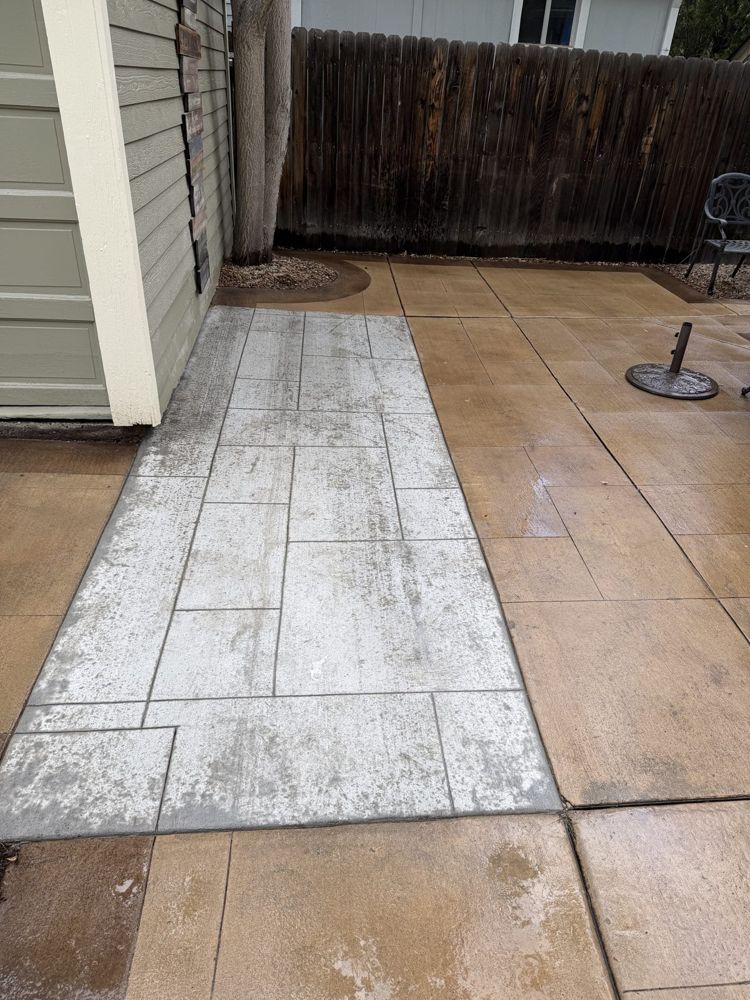
An honest look at stamped concrete and pavers on Colorado Springs clay: frost, cracking vs shifting, weeds, repairs, sealing and ice melt.
Read the article →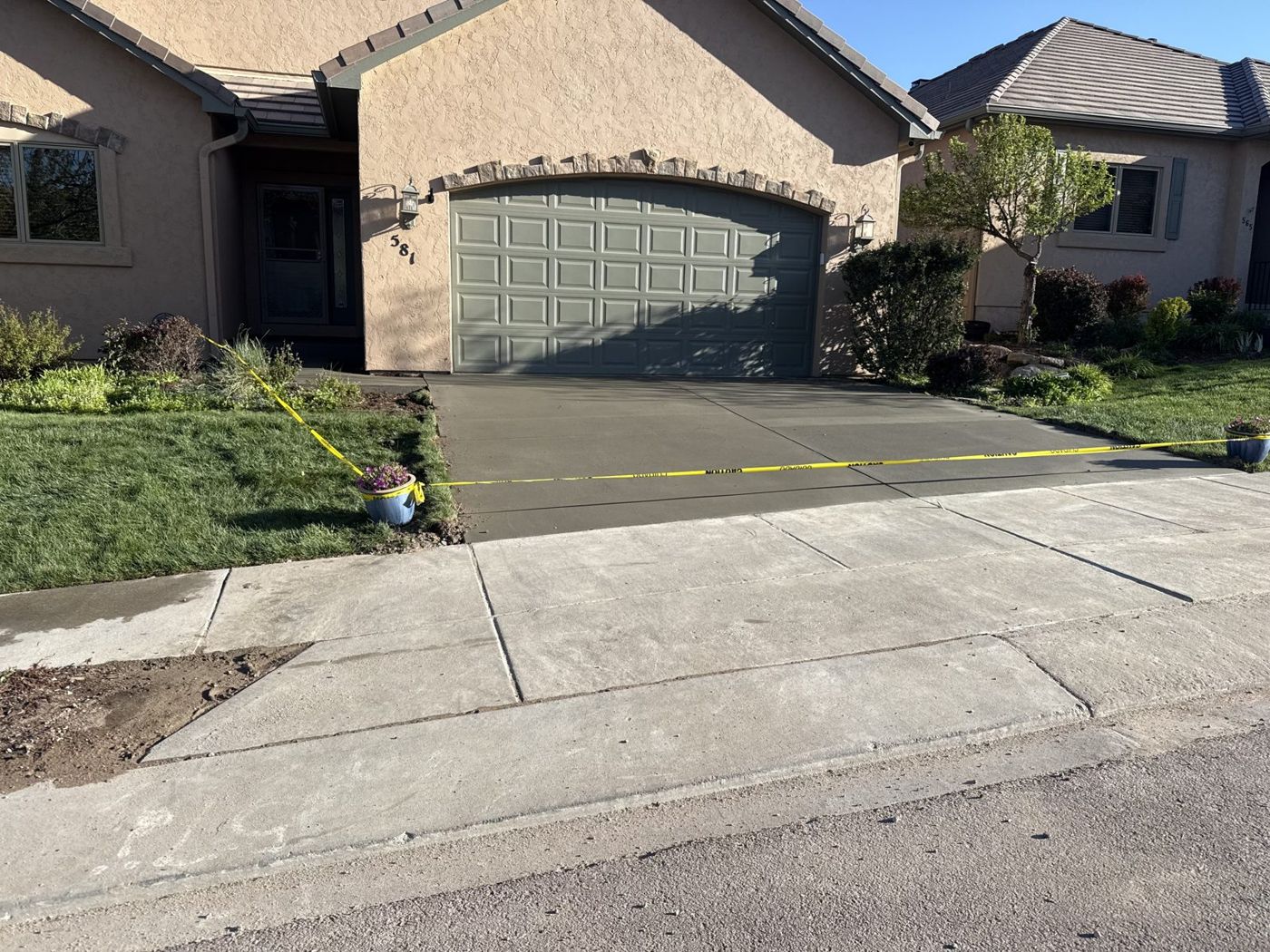
Why driveways crack in newer Falcon and Banning Lewis Ranch subdivisions, how to read the damage, and what replacement involves.
Read the article →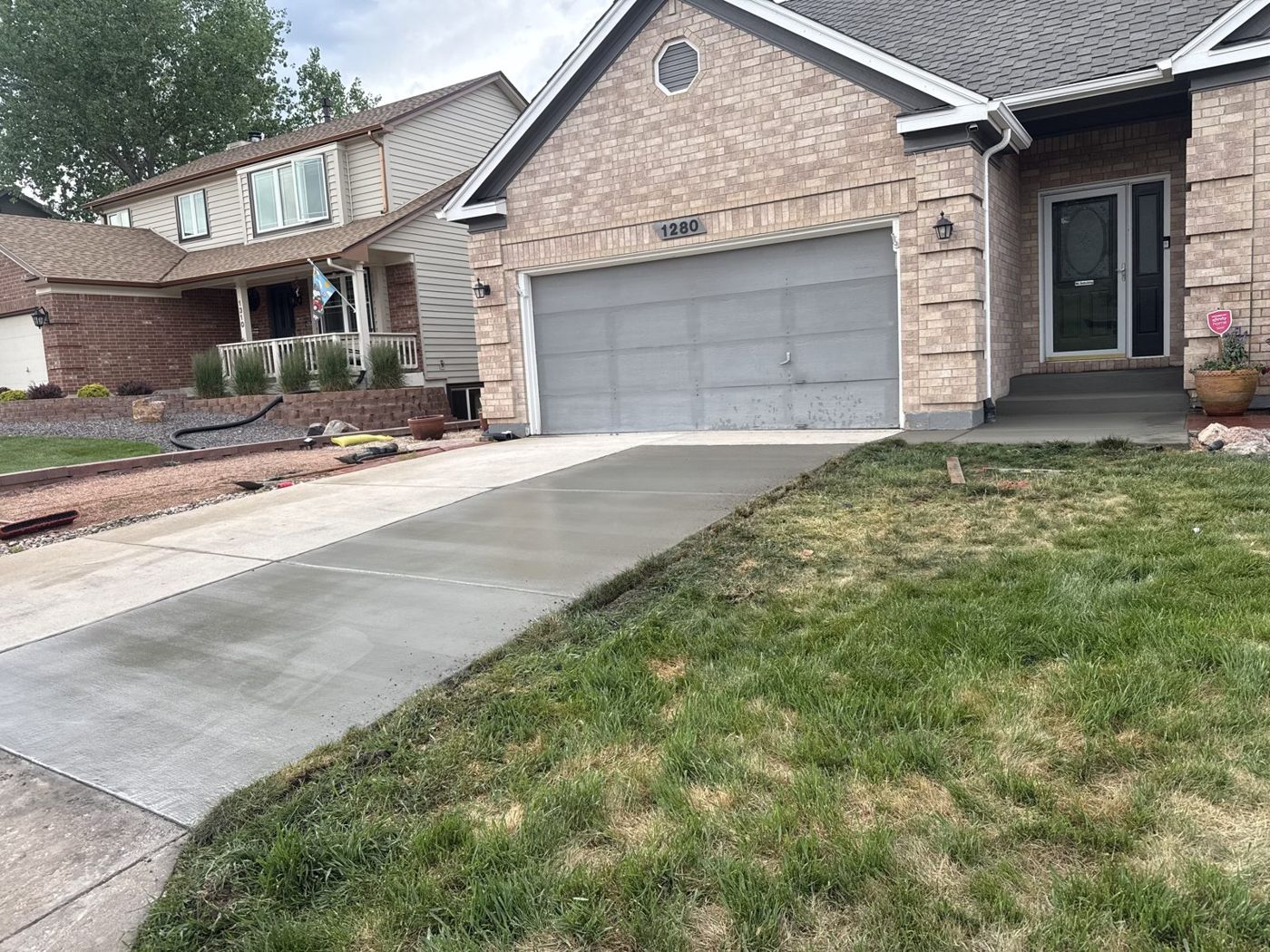
Free on-site estimate. We look at it, measure it and give you a clear written quote.